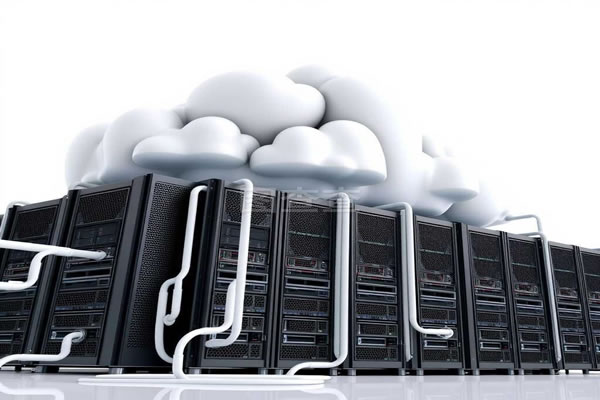
as digital transformation accelerates, more and more companies choose to rent servers in taiwan. however, many people find that taiwanese server prices are relatively high. this article will delve into the cost factors behind server prices in taiwan to help you better understand this market phenomenon.
data center construction and maintenance costs
the high price of servers in taiwan is closely related to the construction and maintenance costs of data centers. taiwan is located in an earthquake zone, and earthquake-resistant design and disaster prevention measures must be taken into consideration when selecting a data center location, which undoubtedly increases initial investment. in addition, the construction and maintenance of data center cooling systems, power supply systems, and network infrastructure require significant capital investment. these costs will eventually be passed on to users, resulting in increased server rental costs.
impact of electricity costs
power consumption is one of the most significant costs in server operations. electricity bills in taiwan are relatively high, especially in summer, and the power consumption of cooling systems increases significantly. in order to ensure the stability and security of servers, data centers often need to adopt efficient cooling and power supply solutions, which further increases operating costs. due to these additional electricity expenses, the rental price of servers in taiwan has naturally increased.
human resources investment
taiwan faces certain challenges in cultivating and introducing technical talents. although the technical level is gradually improving, the number of high-level operation and maintenance personnel and network engineers is still limited, which has led to an increase in labor costs. data centers need to maintain a high level of technical support to ensure that servers are functioning properly and customer needs are being met. these labor costs will also be reflected in the server rental price.
market demand and competition
as an important technology center, taiwan's market demand for servers continues to grow, especially in areas such as cloud computing and big data. as enterprise demand for high-availability and high-performance servers increases, supply and demand are constantly changing. against this background, although there are multiple service providers in the market, prices have not been significantly reduced due to the increase in overall demand. instead, there has been fierce competition and high prices.
impact of policies and regulations
taiwan's network services industry is affected by relevant policies and regulations. the government has set a series of standards in terms of data privacy protection, network security, etc. these standards require service providers to invest more time and resources to comply. these compliance costs will eventually be reflected in users' server rental fees, further pushing up server prices in taiwan.
investment pressure brought by technological updates
with the continuous advancement of technology, server hardware and software are also rapidly updated. to remain competitive, service providers need to continually invest in new technologies and equipment. this continuous technology upgrade not only requires additional capital investment, but also increases the pressure caused by equipment depreciation. these costs will also be reflected in the rental price, making the price of servers in taiwan relatively high.
summary and suggestions
to sum up, the high price of servers in taiwan is mainly due to the comprehensive impact of multiple factors such as data center construction and maintenance costs, electricity costs, human resource investment, market demand, policies and regulations, and technology updates. when choosing a server, enterprises should consider price, performance and service quality to select the most suitable service provider based on their own needs. at the same time, it is recommended that companies conduct sufficient market research before making decisions to ensure the best value for money.
- Latest articles
- How To Improve System Fault Tolerance With Vietnamese Server Sci-fi Warship-style Designs
- What Is The Password For German Servers In Multi-user Environments, And How To Manage Authorization?
- Practical Application Suggestions For Hong Kong Native IP VPN Websites In Enterprise Remote Work Scenarios
- Recommendations For The Proper Use Of Cambodia Dial-up VPS In Web Scraping And Data Collection Projects
- In-depth Analysis Of The Impact Of Cambodia's CN2 Network Lines On Enterprises' Cross-border Access
- The Leasing Terms And Exemptions Of The Hong Kong Station Cluster Must Be Verified Before Signing The Contract
- Affordable U.S. High-defense Server Operation And Maintenance Strategy Includes Automation And Cost Optimization Methods For Monitoring
- How SMEs Can Choose Vietnam Site Cluster Servers: Cost-performance And Technical Support Evaluation
- When Choosing A Xingtai VPS Hong Kong Server, You Need To Evaluate The Quality Of Service And After-sales Standards
- How To Determine Which US Server Hosting Provider Is Best Suited Through Trials And Speed Tests
- Popular tags
-

Legal Risks And Compliance Advice For Server Gambling In Taiwan
this article discusses the legal risks and compliance suggestions for server gambling in taiwan, helping relevant companies and individuals understand and avoid potential legal issues. -
Best Server Selection And Configuration Suggestions For Building Taiwan Ip
this article discusses the best server selection and configuration recommendations when building a taiwan ip to help you optimize network performance. -
Analysis Of The Purchase Cost For Original Taiwanese IPs, Including Estimates For Bandwidth, Data Usage, And Long-term Maintenance Costs
It provides a professional analysis of the cost components involved in purchasing original Taiwanese IPs, including bandwidth and traffic billing models, considerations for IP acquisition and leasing, long-term maintenance, and compliance risks. It also offers estimation methods and cost-reduction strategy recommendations.